Specialized Veterinary Services

At Minden Animal Hospital, we are proud to offer a variety of specialized services designed to support the health and well-being of your pet beyond routine veterinary care. From advanced heart workups and cardiology consultations to the management of complex endocrine conditions, our team is committed to providing comprehensive diagnostic and treatment options close to home. We also offer innovative therapies such as Phovia® light therapy, MLS laser therapy, and cryotherapy to help manage pain, promote healing, and improve quality of life for a variety of medical conditions. Whether your pet requires specialized diagnostics, chronic disease management, or advanced therapeutic support, our goal is to provide personalized care tailored to their unique needs.While we are able to diagnose and manage many complex medical conditions in-house, some cases may require the expertise of a board-certified specialist.
When additional advanced diagnostics, procedures, or specialized treatment are needed, we will work closely with trusted referral hospitals and specialists to ensure your pet receives the highest level of care possible. Our team remains involved throughout the process, helping to coordinate care and support both you and your pet every step of the way.
Book An AppointmentClick to Call

Laser Therapy

At Minden Animal Hospital we are proud to offer your pets Therapeutic Laser treatments. This is a painless procedure using specific wavelengths of light to treat any underlying pain and inflammation. The laser therapy works on a cellular level to reduce inflammation, block pain signals and improve the body’s natural ability to heal. It can even reduce scar tissue formation during the healing process. We often use the laser to stimulate acupuncture points and improve therapy outcomes.

The therapeutic laser can be used for both acute and chronic conditions. It will speed up your pets’ recovery and also reduce to eliminate the need for medications. Most pets will see benefits in as little as 1 to 3 treatments.

Conditions that will benefit from Laser Therapy:

  • Arthritis
  • Abscesses
  • Back Injuries
  • Cystitis (inflammation in the bladder)
  • Ear Infections
  • Inflammation and Edema
  • Lick granulomas
  • Pain – Acute and Chronic
  • Post-surgery
  • Sprains, strains and bruises
  • Wound healing

Phovia®

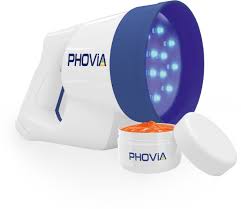
Phovia® is an advanced fluorescent light therapy system used to help support and accelerate skin healing in pets. This non-invasive treatment uses a specialized light source and topical gel to stimulate the skin’s natural healing processes at a cellular level. Phovia® is commonly used to help manage conditions such as wounds, surgical incisions, skin infections, hot spots, lick lesions, inflammation, and other dermatological concerns. Treatments are quick, gentle, and generally very well tolerated by pets without the need for sedation. Benefits of Phovia® may include faster healing times, reduced inflammation, improved comfort, and enhanced tissue repair. It can be used on its own in some cases or alongside other medical treatments to help improve overall healing and recovery outcomes.

Fine Needle Aspirates & Biopsies

Not every lump is bad, but every lump deserves attention. Early evaluation is one of the most important steps in protecting your pet’s health.

When an abnormal lump, bump, swelling, or internal tissue change is identified, additional testing may be recommended to help determine the cause. Fine needle aspirates (FNA) and biopsies are valuable diagnostic tools that allow our veterinarians to collect samples for evaluation.

A fine needle aspirate is a minimally invasive procedure that uses a small needle to collect cells from a mass or organ. These samples can often provide important information quickly and may help distinguish between inflammation, infection, cysts, and certain types of tumors. When more detailed information is needed, a biopsy may be recommended. Biopsies involve collecting a small tissue sample that is submitted to a veterinary pathologist for comprehensive analysis.

These diagnostic procedures help us better understand your pet’s condition, guide treatment decisions, and ensure the most appropriate care plan is developed for your pet. Early diagnosis can often lead to more treatment options and improved outcomes.

Cryotherapy

Cryotherapy, also known as cryosurgery, is a procedure that uses extreme cold to safely freeze and destroy abnormal or unwanted tissue. In veterinary medicine, cryotherapy is commonly used to treat certain small skin growths, benign masses, warts, cysts, skin tags, and other superficial lesions. The procedure is minimally invasive and can often reduce the need for more extensive surgical removal in select cases. During treatment, the affected tissue is carefully frozen using a specialized device, causing the abnormal cells to break down and gradually heal over time. Depending on the location and sensitivity of the area being treated, some pets may require mild sedation to help keep them comfortable during the procedure.

Cryotherapy can be a beneficial option for appropriate cases due to its shorter recovery times, minimal bleeding, and reduced discomfort compared to more invasive surgical procedures.

Tonometry

Tonometry is a quick, non-invasive test used to measure the pressure inside your pet’s eyes.

This test is an important tool in diagnosing and monitoring conditions such as glaucoma, uveitis, eye pain, and other ocular diseases that can affect vision and comfort. During the procedure, a small handheld device gently touches the surface of the eye to obtain a pressure reading— most pets tolerate this very well and sedation is rarely required.

Early detection of abnormal eye pressure can help prevent discomfort, protect vision, and allow for timely treatment of underlying eye conditions.

Nutritional Counseling

A healthy pet starts with proper nutrition. Small changes in diet can make a big difference in your pet’s long-term health and well-being.

Proper nutrition is one of the most important factors in maintaining your pet’s overall health and quality of life. Whether your pet is a growing puppy or kitten, an active adult, a senior companion, or managing a medical condition, their nutritional needs can change throughout their lifetime.

Our veterinary team offers personalized nutritional counseling to help you make informed decisions about your pet’s diet. We can provide guidance on weight management, prescription diets, food allergies, digestive health, kidney disease, diabetes, urinary health, and other conditions where nutrition plays a key role in treatment and long-term management.

With so many pet food options available, choosing the right diet can feel overwhelming. We are here to help you navigate those choices and develop a nutrition plan tailored to your pet’s individual needs, helping them live a healthier, happier life.

Cardiology

Cardiology and heart health assessments are an important part of veterinary medicine, especially for pets with heart murmurs, breathing changes, coughing, exercise intolerance, fainting episodes, or underlying medical conditions that may affect the heart. We provide cardiac workups to help evaluate heart function and investigate potential cardiac disease. Depending on your pet’s needs, this may include physical examinations, blood pressure monitoring, radiographs (X-rays), bloodwork, ultrasound imaging, and collaboration with veterinary imaging specialists when needed.

Early detection and monitoring of heart disease can help guide treatment decisions, improve quality of life, and support long-term management for pets with cardiac concerns.

Endocrinology

Identifying endocrine problems as early as possible is important in dogs and cats. These serious, potentially life-threatening conditions are much more manageable when caught early, allowing us to begin proper treatment.

The endocrine system is made up of a group of tissues (mostly glands) that release hormones into the bloodstream. These hormones regulate metabolism, growth, development, and reproduction and are dispersed to different areas of the body, depending on the hormone’s function. When a hormonal balance is disturbed (by a tumor or autoimmune disease, for instance), an endocrine disorder can develop. “Hyper” refers to an excess of hormone, and “hypo” refers to a deficiency in a hormone. Treatment varies depending on the disease.

There are several common endocrine disorders found in dogs and cats:

  • Diabetes mellitus is caused by a deficiency in or resistance to the hormone insulin.
  • Hypothyroidism, which is often diagnosed in dogs, indicates that the animal has low levels of thyroid hormone.
  • Hyperthyroidism, which frequently affects cats, indicates that the animal has high levels of thyroid hormones.
  • Addison’s disease (hypoadrenocorticism) and Cushing’s disease (hyperadrenocorticism) can also affect both species, although Cushing’s disease is rare in cats.

Health Assessment

To ensure a proper diagnosis, we often need to examine your pet. We begin a medical assessment by looking at your pet’s eyes, ears, and skin and checking his or her cardiovascular, neurological, gastrointestinal, and skeletal systems for any abnormalities. We will perform blood and/or urine tests as necessary to check your pet’s kidneys, liver, pancreas, and endocrine system, including the thyroid and adrenal glands. Based on your pet’s condition, we may recommend further diagnostic tests, such as radiography (x-rays), endoscopy (internal scoping), ultrasound, or biopsy.

If you’re concerned that something may be wrong with your pet, please call us to schedule a medical assessment. Depending on the symptoms, we may ask you to bring in your pet right away.

Click to CallBook An Appointment

Dr. Vlad

Minden Animal Hospital is fortunate to work closely with Dr. Vlad Stojanovic, who collaborates with our team in advanced ultrasound imaging and diagnostic support. When cases become more complex or require a higher level of imaging expertise, Dr. Vlad helps provide additional insight and diagnostic options while allowing many pets to remain close to home for their care.

Having access to this collaborative support can help provide more detailed evaluations and guidance for challenging medical cases before referral to an out-of-town specialty hospital becomes necessary. This partnership allows us to continue offering thorough, high-quality diagnostic care while helping reduce stress and travel for both pets and their families whenever possible.

For more information on Dr. Vlad, visit his website:

Click here to learn more
  • :